Compare Local Contractors for Residential Concrete Paving Projects
Compare local contractors for residential concrete paving to define project scope, verify experience, and set clear expectations for a successful outcome.
Residential concrete paving encompasses a variety of services aimed at creating durable, functional surfaces around homes. This work typically includes installing driveways, walkways, patios, and other flat surfaces using concrete. Contractors may handle tasks such as site preparation, form building, concrete pouring, finishing, and sealing to ensure a smooth, long-lasting result. Proper planning and execution are essential to achieve a surface that not only enhances curb appeal but also withstands regular use and weather conditions.
Defining the scope of a concrete paving project is a vital step in ensuring the work meets expectations. A clear scope outlines the specific areas to be paved, the type of finish desired, any additional features like decorative patterns or reinforcement, and the quality standards to be maintained. Having these details in writing helps prevent misunderstandings and provides a basis for comparing different contractors’ proposals. It also ensures that all parties are aligned on the work to be performed, which can contribute to smoother project execution and satisfactory outcomes.
When evaluating local contractors for residential concrete paving, property owners should consider experience, reputation, and the range of services offered. It’s useful to verify whether a contractor has completed similar projects in the area and to seek references or reviews from past clients. Comparing service providers involves reviewing their portfolios, understanding their process, and clarifying what is included in their scope of work. By gathering detailed information and asking questions about their approach and experience, property owners can make more informed decisions and select a contractor capable of delivering quality results that meet their specific needs.
Compare local contractors by outlining project priorities, verifying experience, and setting clear expectations in writing.
- Compare Contractor Experience - Review the background and project history of local contractors to ensure relevant expertise.
- Define Scope Clearly - Clearly outline the project details and expectations to facilitate accurate proposals.
- Verify References and Past Work - Check references and examine previous projects to assess the quality of work.
- Document Agreements in Writing - Ensure all project specifications and agreements are documented to prevent misunderstandings.

Clearly describe your residential concrete paving project to effectively compare local contractors, verify experience, and set expectations in writing.
- Verify experience and expertise in residential concrete paving projects to ensure quality workmanship. - Review portfolios or project references to assess previous work quality and scope.
- Define the scope of work clearly in writing to set expectations and avoid misunderstandings. - Ensure all project details, materials, and finishes are documented in the contract.
- Compare multiple local contractors to evaluate their services, reputation, and level of professionalism. - Look for reviews, ratings, or testimonials from past clients in your area.
- Check that the contractor understands local building codes and permits related to concrete paving. - Confirm they are knowledgeable about regional standards to ensure compliance.
- Request detailed written estimates that outline the scope, materials, and any additional charges. - Use these documents to compare what is included and to clarify project specifics.
- Ensure the contractor provides a clear timeline and payment schedule in the agreement. - Establish expectations for project milestones and payment terms before work begins.
Compare local contractors' experience and clarify project scope to ensure expectations are well-defined.
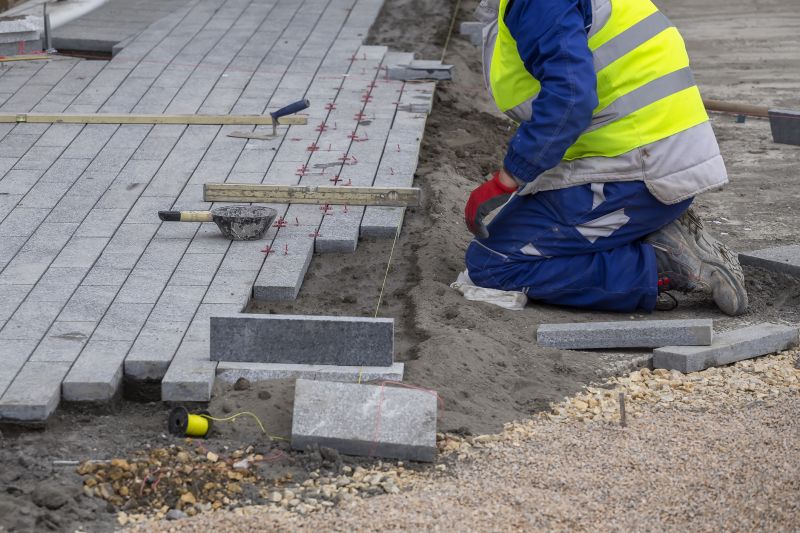


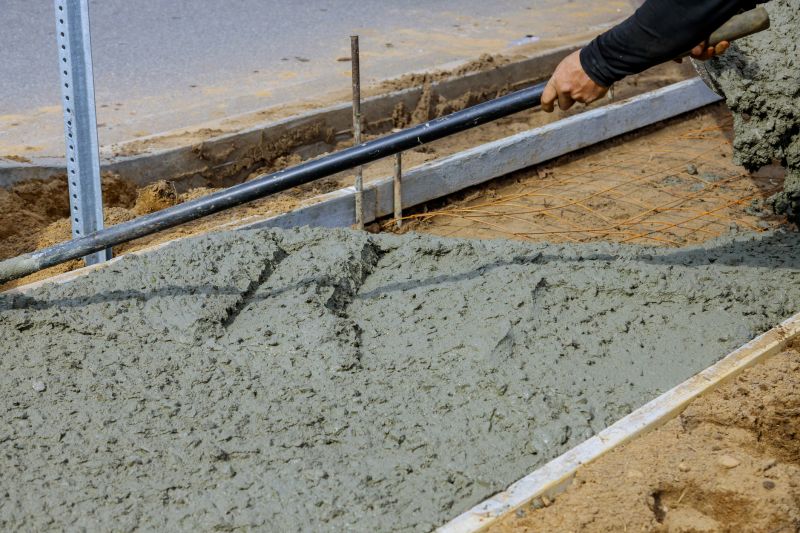
Compare residential concrete paving contractors carefully to ensure consistent scope definition, experience verification, and clear written expectations.
- Project Scope - Clearly define the size, shape, and purpose of the concrete paving to ensure alignment with expectations.
- Material Specifications - Specify the type and quality of concrete and any finishing details required for the project.
- Preparation Requirements - Outline site preparation, including excavation, grading, and base installation needed before paving begins.
- Installation Process - Describe the steps involved in pouring, finishing, and curing the concrete to establish the scope of work.
- Warranty and Maintenance - Determine any service provider guarantees and recommended maintenance practices to preserve the paving's condition.
When evaluating contractors for residential concrete paving, it is important to consider their experience with similar projects. Homeowners should inquire about the types of paving jobs the service providers have completed, paying close attention to projects comparable in scope and complexity. A contractor’s familiarity with residential settings, driveway installations, patios, or walkways can indicate their ability to handle the specific needs of the site. Verifying a contractor’s past work through references or portfolios can provide insight into their expertise and the quality of results achieved in comparable projects.
A clear, written scope of work is essential to establishing expectations and ensuring all project details are understood upfront. Homeowners should seek detailed proposals that outline the work to be performed, materials to be used, and the overall process. This documentation helps prevent misunderstandings and provides a basis for evaluating the thoroughness and professionalism of different service providers. An explicit scope also facilitates more accurate comparisons between contractors, allowing homeowners to focus on the quality and comprehensiveness of the plans rather than just verbal assurances.
Verification basics involve confirming that the contractor has a solid track record of completing similar projects successfully. Homeowners can ask for references from previous clients or review any available project documentation. It’s also helpful to verify that the contractor uses quality materials and follows industry best practices. Ensuring that the contractor’s experience aligns with the specific needs of the project helps reduce risks and increases the likelihood of satisfactory results. Gathering this information allows for a more informed decision based on demonstrated capabilities rather than assumptions.
When comparing options, homeowners should evaluate how well each contractor’s proposal aligns with their project goals and expectations. Consider the clarity of the scope, the experience demonstrated through past projects, and the professionalism reflected in the communication and documentation provided. It’s important to ask questions about the process, materials, and project management practices to gauge the service provider’s understanding of the work. By focusing on these aspects, homeowners can make a well-rounded comparison that emphasizes quality, reliability, and suitability for the specific residential paving needs, without being influenced by price considerations.
Ask contractors to provide written scope details to ensure clear expectations and consistent project understanding.
- Experience and Credentials - What experience do the local contractors have with residential concrete paving projects similar to yours?
- Scope of Work - How will the service providers define and document the specific scope and materials involved in the project?
- Project Planning - What steps do local contractors take to ensure clarity and alignment on project expectations before starting?
- Work Quality and Materials - How do the local service providers ensure the quality of materials and workmanship meet your project requirements?
- Communication and Documentation - How will the contractors keep you informed and confirm project details in writing throughout the process?
How can I compare residential concrete paving contractors? To compare contractors, review their experience, ask for references, and verify their previous work to ensure they meet project expectations.
What should I consider when defining the scope of my paving project? Clearly outline the area to be paved, the type of concrete finish, and any additional features or requirements to communicate your needs effectively.
How can I verify the experience of a concrete paving contractor? Request details about their past projects, ask for references, and review any portfolio or examples of similar residential paving work they have completed.
Why is it important to have the project scope in writing? Having the scope documented helps prevent misunderstandings, sets clear expectations, and provides a reference for the completed work.
What questions should I ask contractors during the selection process? Inquire about their experience with similar projects, their process for preparing the site, and how they handle any unexpected issues that may arise.
How can I ensure the contractor understands my paving project requirements? Communicate your expectations clearly, provide detailed descriptions, and confirm that the scope is documented before work begins.
By reviewing the information provided, visitors gain insights into how to effectively compare residential concrete paving contractors, including defining the scope of work, verifying experience, and establishing clear expectations in writing. This approach helps ensure that projects are planned with clarity and that expectations are aligned before work begins. Utilizing the quote form allows for easy comparison of local service providers, making it simpler to find the right contractor for specific needs.
Taking the time to evaluate different local contractors can lead to a more informed decision when selecting a residential concrete paving professional. The quote form offers a straightforward way to connect with service providers who can handle the job, helping homeowners gather details and compare options efficiently. This process supports making confident choices based on the information gathered and the clarity of communication established with potential contractors.