Compare Local Contractors for Concrete Driveway Installation Success
Compare local contractors for concrete driveway installation to define project scope, verify experience, and ensure clear expectations in writing for a successful outcome.
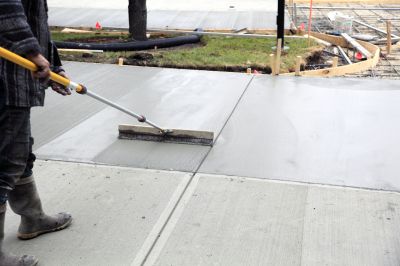
Concrete driveway installation typically involves preparing the site, designing the layout, and pouring the concrete to create a durable, level surface for vehicle access. This work often includes excavation, base material placement, form setting, reinforcement placement, and finishing techniques to ensure the driveway withstands daily use and weather conditions. Depending on the property, additional features such as decorative finishes or drainage considerations may be part of the scope, making it important to clearly outline the specific elements involved.
Defining the scope of a driveway project is essential to establish clear expectations and prevent misunderstandings. Property owners should work with local contractors to specify details such as driveway dimensions, surface finish, reinforcement methods, and any additional features like edging or decorative touches. Having these details in writing helps ensure that both parties agree on what will be delivered, reducing the risk of surprises or disputes once the work begins. A well-defined scope also provides a basis for comparing different service providers based on their experience and proposed approaches.
When evaluating local contractors for concrete driveway installation, property owners should consider their experience with similar projects and their ability to deliver consistent results. It’s helpful to review the scope of work each contractor proposes and ask about their process, materials, and methods. Comparing how each service provider approaches preparation, pouring, and finishing can reveal differences in quality and expertise. Additionally, checking references or seeking recommendations can offer insights into their reliability and professionalism. Focusing on these practical factors can help property owners select a contractor capable of meeting their specific driveway needs.
Compare local contractors by outlining project priorities, verifying experience, and setting clear expectations in writing.
- Compare Contractor Experience - review the background and project history of local contractors to assess their expertise in driveway installation.
- Define Project Scope Clearly - outline specific requirements and expectations to ensure alignment before work begins.
- Verify References and Past Work - check previous projects and client feedback to gauge the quality of local service providers.
- Get Written Agreements - document the scope, materials, and responsibilities to establish clear expectations for the project.

Before comparing local contractors for concrete driveway installation, clearly define your project scope and expectations.
- Verify experience and references for concrete driveway installation projects similar in scope and size. - Local contractors should be able to provide examples of completed driveways and client references.
- Define the scope of work clearly in writing, including materials, dimensions, and finish details. - Ensuring all project specifics are documented helps prevent misunderstandings.
- Check that the contractor assesses site conditions, including soil stability and drainage needs, before starting. - Proper site evaluation is essential for a durable and properly installed driveway.
- Confirm that the contractor provides a detailed written estimate outlining the scope and materials involved. - A comprehensive estimate helps compare services and sets clear expectations.
- Ensure the contractor discusses the installation process, including preparation, curing, and finishing techniques. - Understanding the process helps in evaluating the contractor’s expertise and approach.
- Compare multiple service providers to evaluate their experience, scope definitions, and communication clarity. - Gathering information from different local contractors supports informed decision-making.
Use this to compare local contractors, clarify project scope, verify experience, and set clear expectations in writing.



Use consistent comparison criteria to evaluate local contractors' scope, experience, and written expectations for concrete driveway projects.
- Scope Definition - Clearly outline the specific dimensions, design features, and any additional elements to be included in the driveway installation.
- Material Selection - Specify the type and quality of concrete and any surface finishes or textures desired for the project.
- Experience Verification - Confirm that local contractors have relevant experience with driveway installation projects of similar scope.
- Scope Documentation - Ensure all project details, including work specifications and expectations, are documented in writing before work begins.
- Comparison Criteria - Establish key factors such as reputation, portfolio, and service offerings to compare and select suitable local service providers.
When comparing contractors for concrete driveway installation, it’s important to evaluate their experience with similar projects. Homeowners should seek out service providers who have a proven track record of completing driveway installations comparable in size, design, and complexity to the desired project. Asking for examples of past work or references can help determine whether a contractor’s experience aligns with the specific needs of the driveway being planned. Contractors with relevant experience are more likely to understand the nuances involved in creating durable, long-lasting driveways that meet the homeowner’s expectations.
Having a clear, written scope of work is essential when assessing potential service providers. A detailed scope should outline the materials to be used, the specific steps involved in the installation process, and any additional services included, such as excavation or finishing touches. This clarity helps prevent misunderstandings and ensures that both parties have aligned expectations. Homeowners should verify that the scope covers all aspects of the project and ask for any adjustments or clarifications before moving forward, fostering transparency and reducing the risk of surprises later in the process.
Verification of a contractor’s background involves more than just checking references. Homeowners should inquire about the contractor’s familiarity with local regulations and standards, as well as their method for ensuring quality work. It’s beneficial to confirm that the contractor has a consistent approach to project planning, including the preparation of written estimates or proposals that detail the scope of work. Verifying these basics provides confidence that the service provider has a professional approach and prioritizes clear communication, which can be critical for a smooth installation process.
Evaluating options without focusing on prices involves considering the quality of service and the clarity of communication from each contractor. Homeowners should compare how well each service provider understands the project scope, their experience with similar installations, and their ability to provide detailed, written proposals. Asking questions about their process, materials, and project management practices can reveal their professionalism and reliability. By focusing on these aspects, homeowners can make informed decisions based on the contractor’s expertise and approach, helping to ensure the chosen service provider is well-suited to deliver a successful driveway installation.
Ask contractors to provide written scope details to ensure clear expectations and consistency throughout the project.
- Experience and Credentials - What experience do local contractors have with concrete driveway installations similar to the scope needed?
- Scope of Work - How do local service providers define and document the specific work included in the driveway installation project?
- Materials and Techniques - What materials and construction methods do local contractors recommend for durability and longevity?
- Project Expectations - How do local contractors clarify project scope and deliverables in writing to ensure mutual understanding?
- Comparison Factors - What criteria should be used to compare the scope, experience, and approaches of different local contractors?
How can I compare contractors for concrete driveway installation? To compare local contractors, review their experience, request references, and evaluate their scope of work to ensure it aligns with project needs.
What should I look for when choosing a concrete driveway contractor? Focus on contractors with a proven track record, clear project scope, and detailed written agreements to set clear expectations.
How important is verifying a contractor's experience? Verifying experience helps ensure the contractor has successfully completed similar projects and understands best practices for quality results.
What questions should I ask a contractor before hiring? Ask about their previous work, scope of services, materials used, and how they handle project details in writing to clarify expectations.
Why is it important to have a written scope of work? A written scope of work helps prevent misunderstandings, defines project boundaries, and ensures all parties agree on the deliverables.
How can I ensure a contractor's work meets my expectations? Clearly define your project requirements in writing, review their proposed scope, and verify their experience with similar installations before proceeding.
This page has provided an overview of how to find qualified contractors for concrete driveway installation. Visitors learned the importance of clearly defining the scope of work, verifying the experience of service providers, and establishing expectations in writing to help ensure a smooth project process. Comparing options through a quote form makes it easier to evaluate local contractors and find the right fit for specific needs.
Using the quote form to compare local service providers can streamline the process of connecting with experienced contractors capable of handling driveway installation projects. It’s a practical way to gather information, assess options, and make informed decisions based on the details that matter most for each project.